Ryanair First-Half Profit Falls 15% as Fuel Costs Threaten €2 Billion Increase
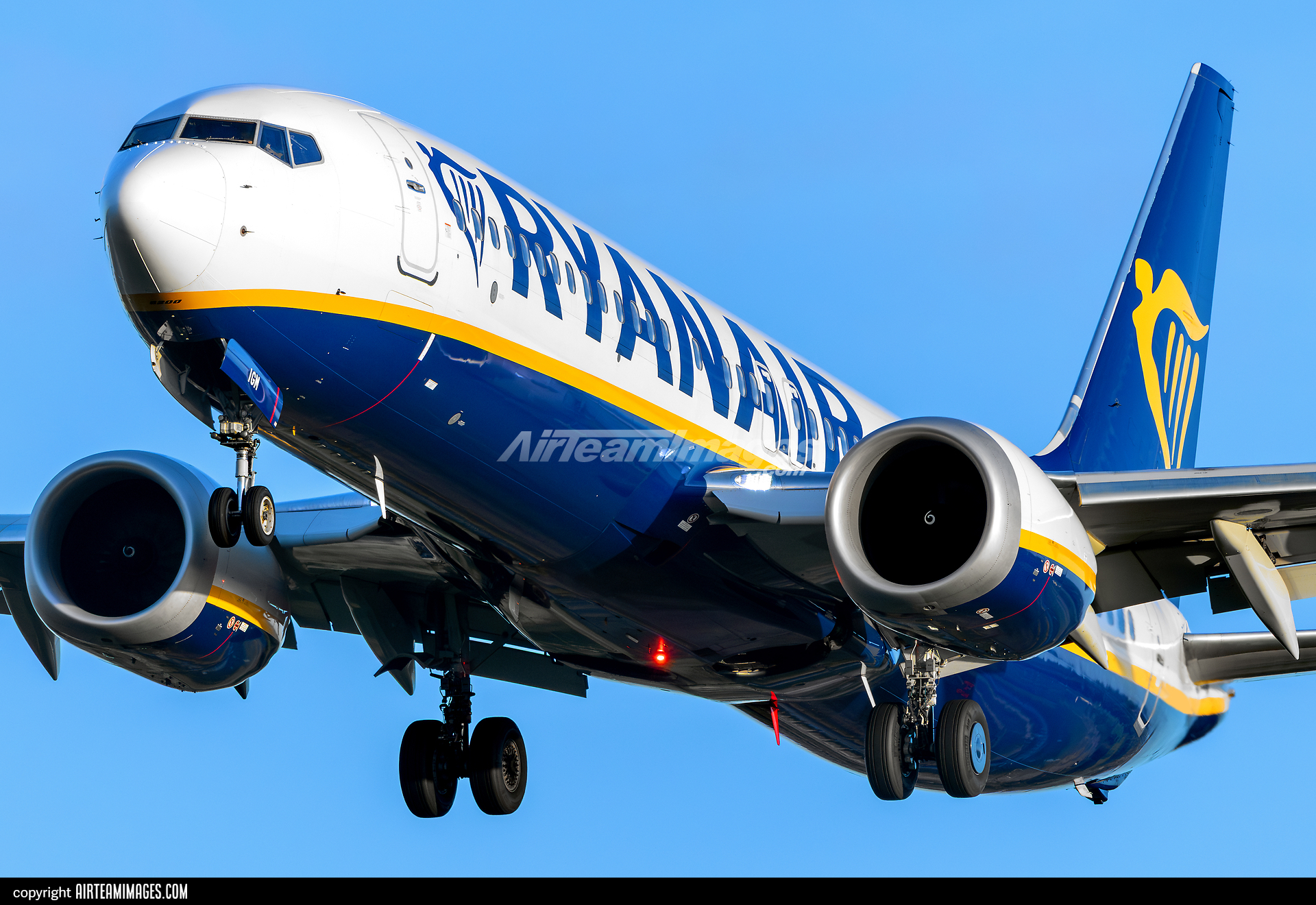
Photographer: Dave Sturges - AirTeamImages.com
Ryanair Holdings reported a 15% decline in first-half fiscal 2027 profit after tax, falling to €2.15 billion, as rising fuel costs and lower ticket prices weighed on its financial performance. The airline also warned that its annual fuel bill could increase by approximately €2 billion in the financial year ending March 2028.
Despite the decline in profitability, passenger traffic continued to grow. Ryanair carried 125.8 million passengers in the first half, a 6% increase from the same period last year. However, average fares fell 4% to €55.70.
Revenue rose 3% to €10.08 billion, while operating costs climbed 10% to €7.69 billion, reflecting higher fuel expenses and the end of supplier compensation after the airline delivered its final Boeing 737-8200 aircraft in spring 2026.
Rising Fuel Costs Increase Financial Pressure
Ryanair's exposure to fuel prices is expected to increase significantly as its existing hedging arrangements expire.
The airline has secured approximately 80% of its fuel requirements for the financial year ending March 2027 at around US$67 per barrel. However, coverage drops to just 25% for the following financial year, with the hedged portion priced at approximately US$95 per barrel.
Based on current forward fuel prices, Ryanair estimates that its fuel bill could increase by around €2 billion in 2027-28.
Chief Executive Michael O'Leary said ticket prices would need to increase by approximately 20% to offset the expected additional fuel costs. However, he said he was uncertain whether the airline could achieve such increases in the market.
Cost-Cutting Measures Under Review
To manage the expected increase in expenses, Ryanair is reviewing several areas of its operations.
Potential measures include negotiating lower airport charges, reducing crew costs, adjusting staffing arrangements, and expanding the use of artificial intelligence across operational and administrative functions. The airline is also considering temporary pay freezes as existing labor agreements expire, potentially beginning in April 2027.
Airport charges remain another important factor in Ryanair's network strategy, influencing decisions about where to expand capacity and where to reduce operations.
Boeing 737-10 Deliveries Depend on Certification
Ryanair's fleet expansion plans also depend on regulatory developments. According to Reuters, the airline's Chief Financial Officer indicated that the first Boeing 737-10 could arrive in January or early February 2027, provided the European Union Aviation Safety Agency (EASA) completes certification on schedule.
The aircraft is expected to support Ryanair's longer-term capacity and efficiency plans as the airline continues expanding its fleet.
Full-Year Outlook Remains Uncertain
Ryanair declined to provide full-year profit guidance, citing limited visibility into fourth-quarter performance and uncertainty surrounding unhedged fuel prices.
Although passenger numbers continue to rise, higher operating costs, fuel market volatility, and pressure on ticket prices present a significant challenge for the airline.
The coming financial year will therefore test Ryanair's ability to maintain its low-cost business model while absorbing potentially substantial increases in fuel expenses.