FAA Certifies Boeing 737 MAX 10 After Years of Delays
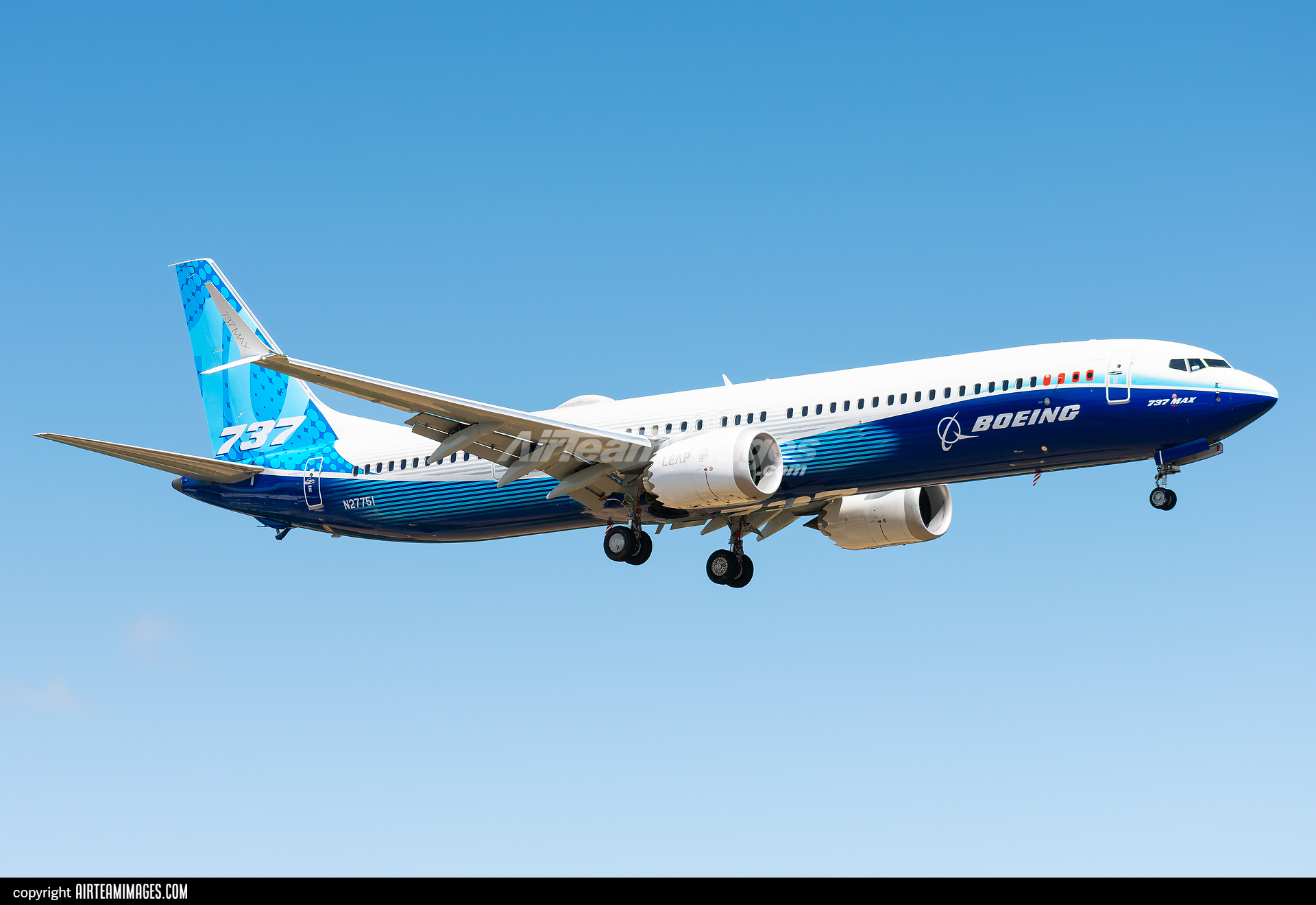
Photographer: Darío Duque Gómez
The U.S. Federal Aviation Administration (FAA) has certified the Boeing 737-10, the largest variant of the 737 MAX family, marking a major milestone for a program that has faced years of delays. Boeing announced the approval on October 20, 2026, and expects deliveries to begin in the coming months.
The FAA approved an amended type certificate for the aircraft, clearing a key regulatory hurdle before customer deliveries can begin. Boeing lists 1,555 orders from more than 30 customers for the 737-10, which accounts for more than 30% of the company's unfilled 737 MAX orders.
A Long Road to Certification
The 737-10 first flew on June 18, 2021, with Boeing initially targeting entry into service in 2023. The certification process extended well beyond that original schedule, leaving airlines waiting for the largest member of the MAX family.
The latest approval lets Boeing move toward customer handovers, though the manufacturer has not announced an exact first-delivery date or identified the first recipient.
Type certification approves an aircraft's design against applicable regulatory requirements. Individual aircraft must still complete the relevant production and airworthiness steps before entering service.
More Capacity for Airlines
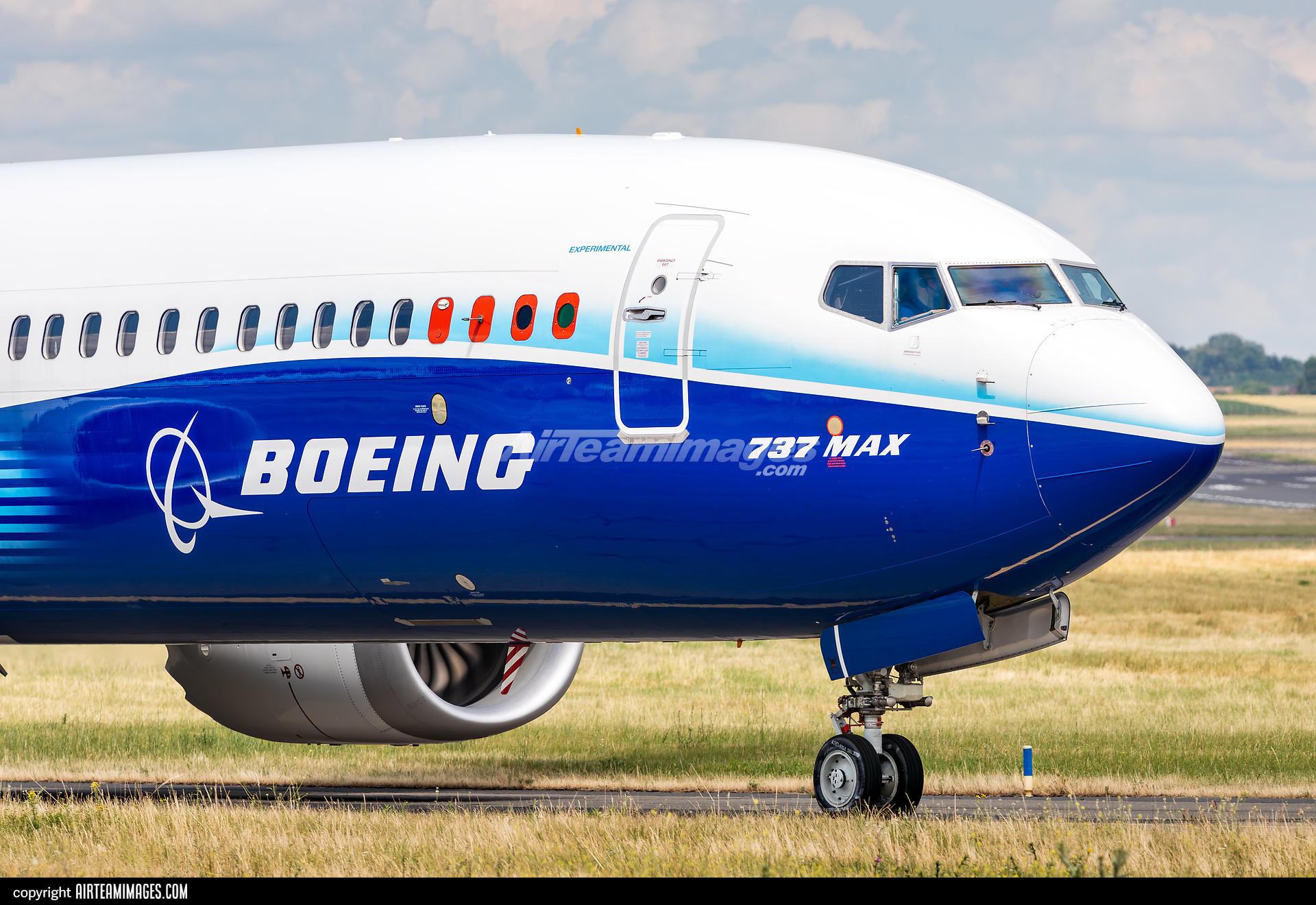
Photographer: Matthieu Douhaire
The 737 MAX 10 offers a typical two-class configuration for 185 to 210 passengers, with a maximum capacity of 230 seats and a range of up to 3,100 nautical miles (5,740 kilometers), according to Boeing.
Its additional capacity gives airlines another option for high-demand short- and medium-haul routes, letting them carry more passengers while staying within the 737 family's operating concept. Actual passenger capacity will depend on each airline's cabin layout.
Enhanced Flight-Deck Systems
The aircraft also incorporates an enhanced angle-of-attack system designed to help pilots manage faulty sensor readings. The system can detect erroneous data, prevent it from reaching other systems or substitute a default value, while alerts identify affected sensors on the primary flight displays.
Boeing says these changes are intended to reduce pilot workload during sensor failures. According to the company's October 20 announcement, the enhanced system will become standard across the 737 MAX family.
The manufacturer reported that the 737-10 certification campaign involved nearly 1,000 test flights, more than 2,000 flight hours and 1,000 hours of ground testing.
Track Live Flights
What Happens Next?
Certification marks a significant step toward bringing the 737 MAX 10 into commercial service, but attention will now turn to production, aircraft deliveries and airline entry-into-service plans.
With more than 1,500 orders on the books, the aircraft is a key part of Boeing's narrowbody backlog. Its entry into service will also give airlines another option to increase capacity on busy routes.