Updates on Grounding of Boeing 737-9 MAX
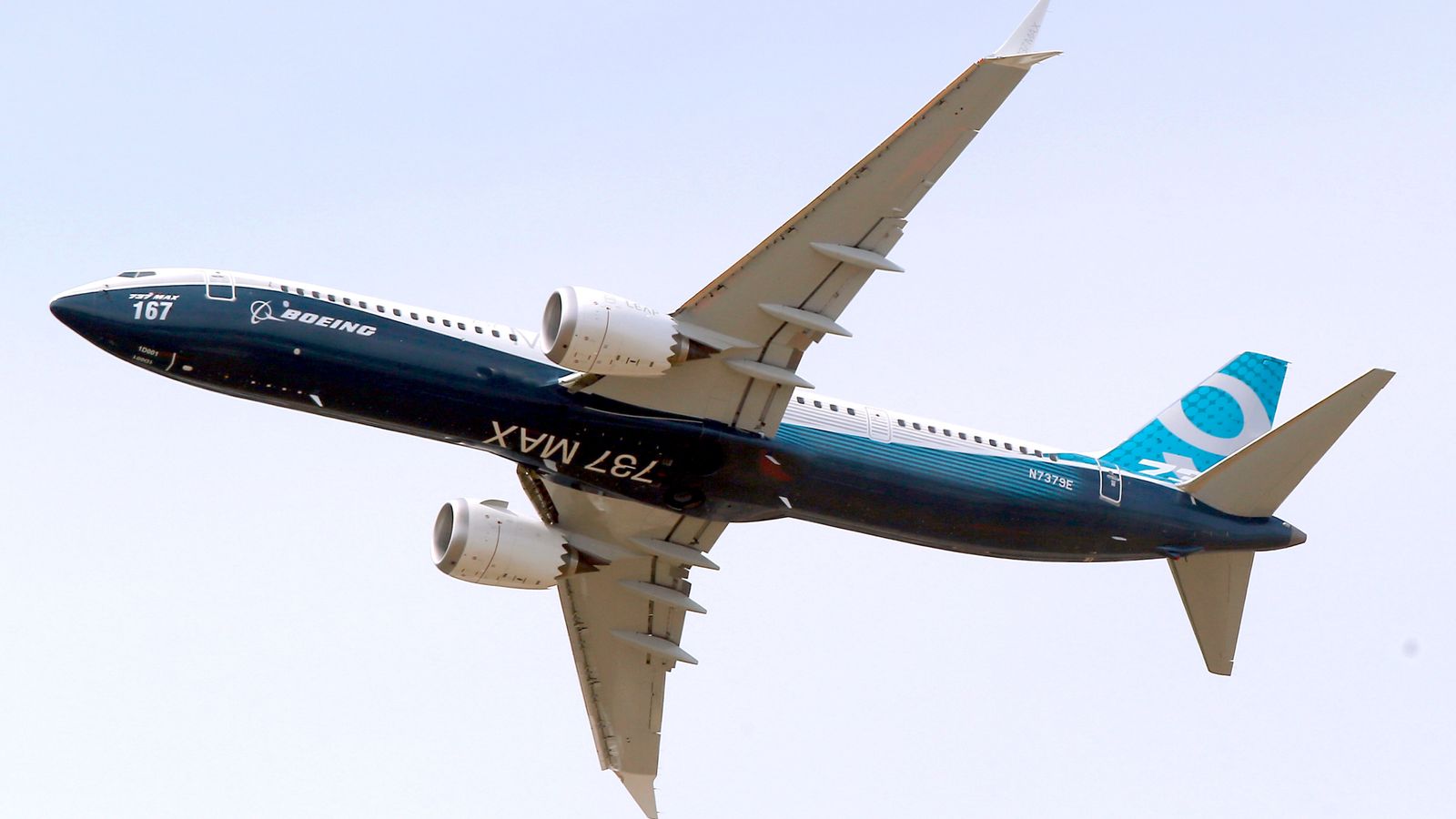
Boeing 737 MAX 9 - Source: AP File Pic via News.sky.com
The Federal Aviation Administration (FAA) has announced additional measures to guarantee the safety of every aircraft. On January 24th, the FAA conveyed to Boeing that no production expansion for the MAX, including the 737-9 MAX, would be granted. This action complements the ongoing FAA investigation and heightened oversight of Boeing and its suppliers. The FAA has also endorsed a comprehensive inspection and maintenance process that is mandatory for all 171 grounded Boeing 737-9 MAX aircraft. Once completed, these aircraft will be deemed eligible for a service return.
FAA Administrator Mike Whitaker stated, "We grounded the Boeing 737-9 MAX within hours of the incident over Portland and made clear this aircraft would not go back into service until it was safe. The exhaustive, enhanced review our team completed after several weeks of information gathering gives me and the FAA confidence to proceed to the inspection and maintenance phase.
"However, let me be clear: This won’t be back to business as usual for Boeing. We will not agree to any request from Boeing for an expansion in production or approve additional production lines for the 737 MAX until we are satisfied that the quality control issues uncovered during this process are resolved."
The FAA approved a detailed set of inspection and maintenance instructions following a thorough review of data from 40 inspections of grounded planes. A Corrective Action Review Board (CARB), consisting of safety experts, scrutinized and approved the inspection and maintenance process.
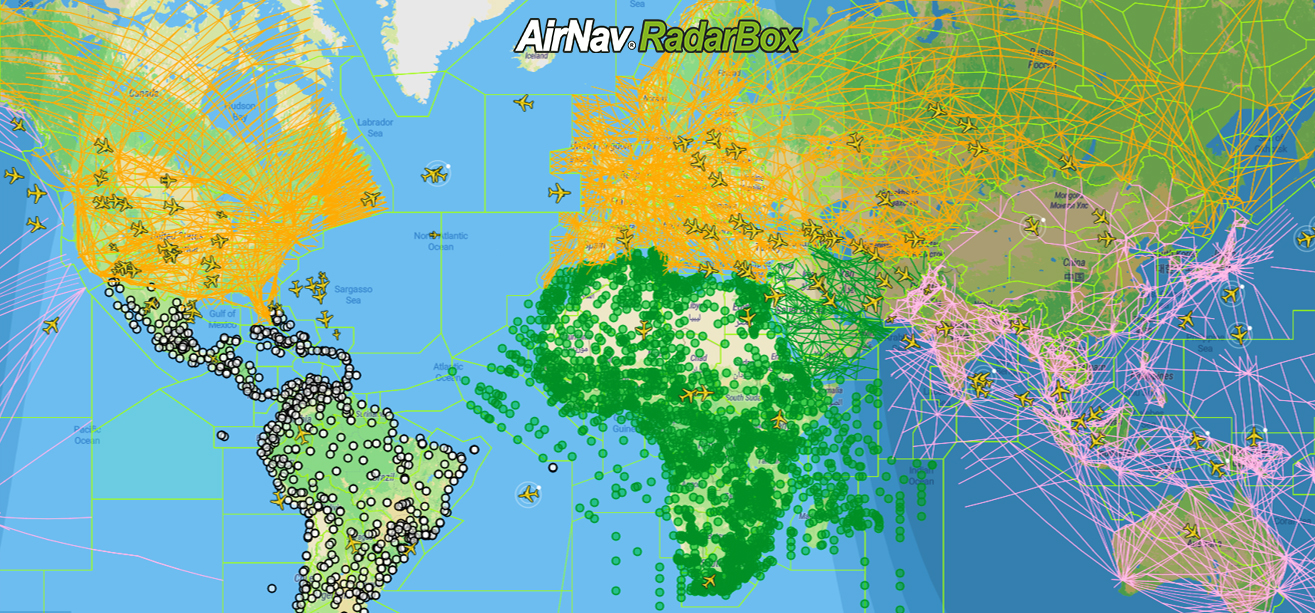
The current Boeing 737 MAX 9 fleet around the world
After the enhanced maintenance and inspection process is completed on each aircraft, the door plugs on the 737-9 MAX will be in compliance with the original design, ensuring safe operation. The aircraft will remain grounded until the process is complete and compliance with the original design is confirmed.
The enhanced maintenance process will include:
1. Inspection of specific bolts, guide tracks, and fittings
2. Detailed visual inspections of left and right mid-cabin exit door plugs and dozens of associated components
3. Retorquing fasteners
4. Correcting any damage or abnormal conditions
FAA ACTIONS TO HOLD BOEING ACCOUNTABLE TO THE HIGHEST STANDARD OF SAFETY:
Following the grounding of the Boeing 737-9 MAX aircraft in early January, the FAA has outlined a series of actions to increase oversight of Boeing’s production lines.
"The quality assurance issues we have seen are unacceptable," said Whitaker. "That is why we will have more boots on the ground closely scrutinizing and monitoring production and manufacturing activities."
Increased oversight activities include:
1. Capping expanded production of new Boeing 737 MAX aircraft to ensure accountability and compliance with required quality control procedures.
2. Launching an investigation scrutinizing Boeing’s compliance with manufacturing requirements. The FAA will use the full extent of its enforcement authority to ensure the company is held accountable for any non-compliance.
3. Aggressively expanding oversight of new aircraft with increased floor presence at all Boeing facilities.
4. Closely monitoring data to identify risk
5. Launching an analysis of potential safety-focused reforms around quality control and delegation.
The FAA will continue to support the National Transportation Safety Board’s (NTSB) investigation into Alaska Airlines Flight 1282. The NTSB is in charge of the investigation and will provide any updates.
Airlines
Alaska Airlines has stated that it expects the inspections to take around 12 hours, with its first B737 MAX 9 scheduled to return to service on Friday.
Copa Airlines will gradually reactivate its MAX 9 jets starting today, January 25th, and plans for its entire fleet of MAX 9 jets to return to service by Sunday, January 28th. United Airlines has announced that it anticipates resuming MAX 9 flights on Saturday, following the inspection procedures. Since January 13, United has completed inspections on the 26th per the FAA's guidance.

Statement from United Airlines
Updates on Grounding of Boeing 737-9 MAX Aircraft:
February 6, 2024
National Transportation Safety Board (NTSB) investigators revealed on Tuesday that evidence indicates the absence of four bolts securing the door plug on the Boeing 737 Max 9 during the recent blowout on Alaska Airlines flight 1282.
This revelation, presented a month and a day after the January 5 incident, led to a 19-day emergency grounding of all Max 9s and renewed concerns about Boeing, following the fatal Max 8 crashes in 2018 and 2019.
Boeing, acknowledging responsibility for the blowout in response to the NTSB report, expressed commitment to preventing similar incidents. Boeing CEO Dave Calhoun stated, "Whatever final conclusions are reached, Boeing is accountable for what happened. An event like this must not happen on an airplane that leaves our factory. We simply must do better for our customers and their passengers."
Boeing outlined new measures to enhance the production of 737 Max 9 planes, including increased inspections, additional time for 737 teams to implement quality improvements, and the engagement of external safety experts to assess operations.
The NTSB's 19-page preliminary report, released on Tuesday, detailed observations from the disassembly of Alaska 1282's door plug, which fell into an Oregon backyard. The report concluded that the missing bolts were likely absent before the flight, based on the lack of damage to the plug where the bolts were supposed to attach.
The report also included a photo from September, a month before the plane was delivered to Alaska Air, showing the missing bolts during aircraft work. This implies that the plane flew for several months with the bolts missing before the January 5 blowout.
While the report did not assign blame or determine the cause, the FAA issued a statement on Wednesday emphasizing that such incidents should not occur and expressing continued support for the NTSB's investigation.
Download the report by clicking here.
January 24, 2024
The Boeing 737 MAX 9 jets have been given approval by the US Federal Aviation Administration (FAA) to resume flights after the required inspections and maintenance procedures have been carried out. United, Alaska Airlines, and Copa Airlines are all gearing up to reintroduce their previously grounded jets into service by the upcoming weekend.
January 17, 2024
On Friday, the FAA announced requirements for a rigorous inspection and maintenance process as a new and necessary step before the FAA contemplates any further steps in the process to return Boeing 737-9 MAXs to service. The first 40 inspections that are part of that process are now complete, and the FAA will thoroughly review the data from them. All 737-9 MAX aircraft with door plugs will remain grounded pending the FAA’s review and final approval of an inspection and maintenance process that satisfies all FAA safety requirements.
Once the FAA approves an inspection and maintenance process, it will be required on every grounded 737-9 MAX prior to future operation. Thflying public's safetyic, not speed, will determine the timeline for returning these aircraft to service.
The FAA is supporting the National Transportation Safety Board’s investigation into Alaska Airlines Flight 1282. The NTSB is in charge of the investigation and will provide any updates.
February 6, 2024
National Transportation Safety Board (NTSB) investigators revealed on Tuesday that evidence indicates the absence of four bolts securing the door plug on the Boeing 737 Max 9 during the recent blowout on Alaska Airlines flight 1282.
This revelation, presented a month and a day after the January 5 incident, led to a 19-day emergency grounding of all Max 9s and renewed concerns about Boeing, following the fatal Max 8 crashes in 2018 and 2019.
Boeing, acknowledging responsibility for the blowout in response to the NTSB report, expressed commitment to preventing similar incidents. Boeing CEO Dave Calhoun stated, "Whatever final conclusions are reached, Boeing is accountable for what happened. An event like this must not happen on an airplane that leaves our factory. We simply must do better for our customers and their passengers."
Boeing outlined new measures to enhance the production of 737 Max 9 planes, including increased inspections, additional time for 737 teams to implement quality improvements, and the engagement of external safety experts to assess operations.
The NTSB's 19-page preliminary report, released on Tuesday, detailed observations from the disassembly of Alaska 1282's door plug, which fell into an Oregon backyard. The report concluded that the missing bolts were likely absent before the flight, based on the lack of damage to the plug where the bolts were supposed to attach.
The report also included a photo from September, a month before the plane was delivered to Alaska Air, showing the missing bolts during aircraft work. This implies that the plane flew for several months with the bolts missing before the January 5 blowout.
While the report did not assign blame or determine the cause, the FAA issued a statement on Wednesday emphasizing that such incidents should not occur and expressing continued support for the NTSB's investigation.
January 11, 2024
This incident should have never happened and it cannot happen again. FAA formally notified Boeing that it is conducting an investigation to determine if Boeing failed to ensure completed products conformed to its approved design and were in a condition for safe operation in compliance with FAA regulations. This investigation is a result of an incident on a Boeing Model 737-9 MAX where it lost a “plug” type passenger door and additional discrepancies. Boeing’s manufacturing practices need to comply with the high safety standards they’re legally accountable to meet. The letter is attached.
Theflying public's safetyc, not speed, will determine the timeline for returning the Boeing 737-9 MAX to service.
January 9, 2024
Every Boeing 737-9 MAX with a plug door will remain grounded until the FAA finds each can safely return to operation. To begin this process, Boeing must provide instructions to operators for inspections and maintenance. Boeing offered an initial version of instructions yesterday which they are now revising because of feedback received in response. Upon receiving the revised version of instructions from Boeing the FAA will conduct a thorough review.
The safety of the flying public, not speed, will determine the timeline for returning the Boeing 737-9 MAX to service.
January 8, 2024
The FAA has approved a method to comply with the FAA's Boeing 737-9 MAX emergency airworthiness directive, and it has been provided to the affected operators.
The FAA’s priority is always keeping Americans safe. In that spirit, Boeing 737-9 MAX aircraft will remain grounded until operators complete enhanced inspections which include both left and right cabin door exit plugs, door components, and fasteners. Operators must also complete corrective action requirements based on findings from the inspections prior to bringing any aircraft back into service.
The FAA will continue to support the National Transportation Safety Board’s investigation into Alaska Airlines Flight 1282. The NTSB is in charge of the investigation and will provide any updates.
January 7, 2024
The FAA’s first priority is keeping the flying public safe. We have grounded the affected airplanes, and they will remain grounded until the FAA is satisfied that they are safe.
January 6, 2024
The FAA ordered the temporary grounding of certain Boeing 737-9 MAX aircraft operated by U.S. airlines or in U.S. territory.
“The FAA is requiring immediate inspections of certain Boeing 737-9 MAX planes before they can return to flight,” FAA Administrator Mike Whitaker said. “Safety will continue to drive our decision-making as we assist the NTSB’s investigation into Alaska Airlines Flight 1282.”
The Emergency Airworthiness Directive (EAD) requires operators to inspect affected aircraft before further flight. The required inspections will take around four to eight hours per aircraft.
The EAD will affect approximately 171 airplanes worldwide.