Qantas to Begin Retiring Airbus A380 Fleet in 2028 as A350 and 787 Era Approaches
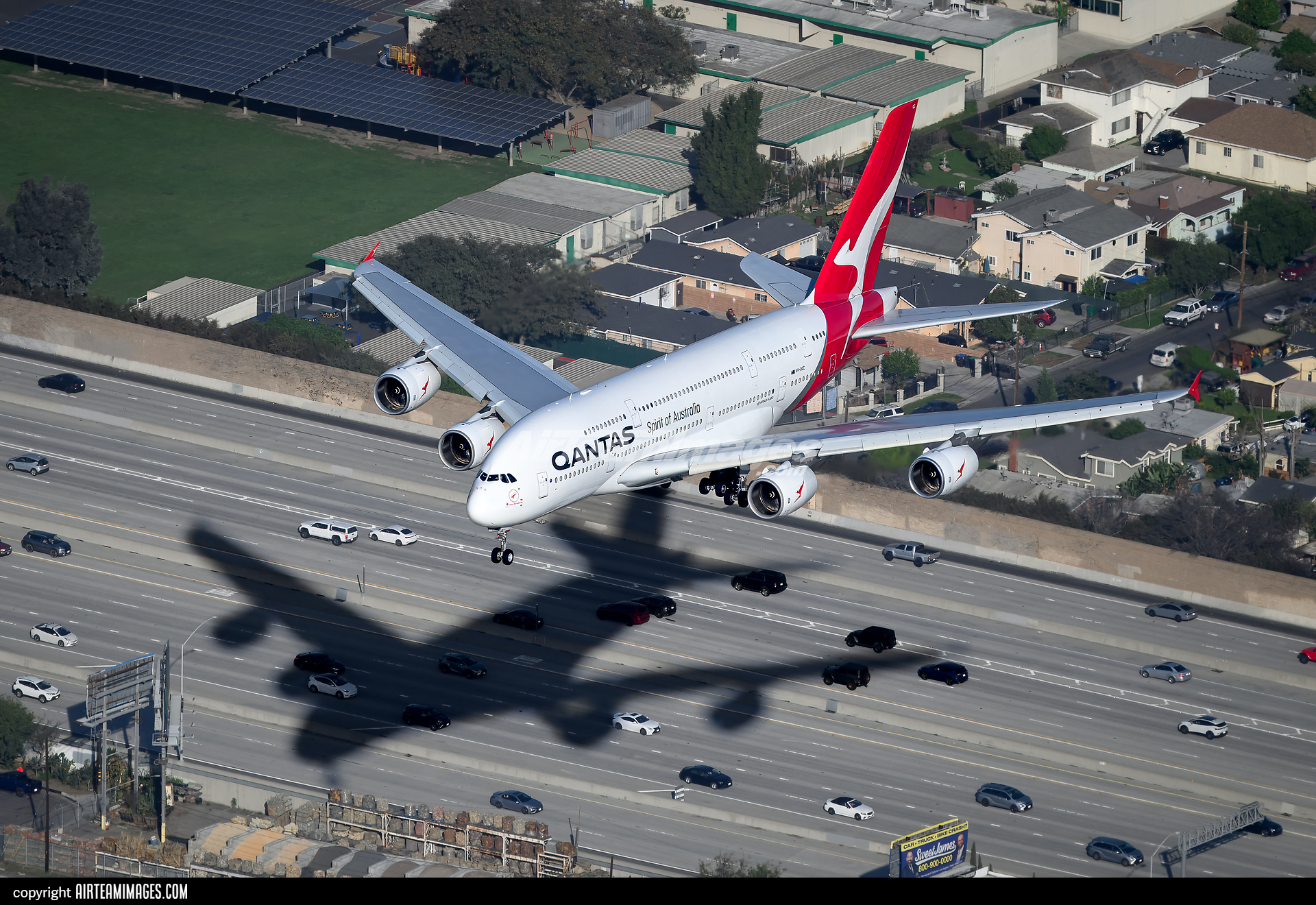
Photographer: Felix Gottwald - AirTeamImages.com
Qantas Airways will begin retiring its fleet of 10 Airbus A380s in calendar year 2028, bringing the phase-out forward by roughly four years as the airline prepares to introduce additional Airbus A350s and Boeing 787s.
The move represents more than a routine fleet transition. In 2023, Qantas said the Airbus A350s would replace its A380S from around FY32. However, the airline's FY26 results now indicate that the A380 fleet will be gradually phased out starting in calendar year 2028.
The first Project Sunrise Airbus A350-1000ULR is expected to arrive in April 2027, marking the beginning of a major transformation of Qantas's long-haul fleet.
For now, however, Qantas has not announced which aircraft or route will be the first to lose A380 service.
It is therefore too early to determine whether routes such as Sydney–Los Angeles, Sydney–Singapore–London Heathrow, or another major A380 market will be the first to transition to a different aircraft type.
Qantas says its next-generation widebody aircraft will be capable of operating every route on its current international network while also opening new destinations. However, that is a statement about fleet capability rather than a published A380 retirement timetable.
Replacement Capacity Is Still Under Discussion
Qantas already has 12 firm Airbus A350 orders and 12 firm Boeing 787 orders for Qantas International. These aircraft are separate from the 12 Airbus A350-1000ULRs ordered for Project Sunrise.
The first additional Boeing 787 is scheduled to arrive in FY28.
The airline is also in discussions with Airbus and Boeing about converting around 20 existing purchase-right options into firm orders from 2030.
Those aircraft are not yet on order, and Qantas has not disclosed how many of the potential conversions would be Airbus A350s or Boeing 787s.
The distinction is important. A purchase right gives an airline flexibility to acquire aircraft at a later date; it does not represent a firm delivery commitment.
Qantas's August 2023 fleet plan had already linked Airbus A350 deliveries with the eventual replacement of the A380. The accelerated retirement timeline now makes the airline's uncommitted purchase rights increasingly significant.
Additional aircraft could provide capacity as the four-engine fleet exits service, but the final aircraft mix, delivery positions and cabin configurations have yet to be announced.
Why Has the A380 Retirement Timeline Moved?
According to Qantas's FY26 annual report, Airbus A380 production has ended while operating and maintenance costs for the aircraft continue to rise.
The airline's investor presentation also highlighted the disproportionate impact of higher fuel costs on the A380 fleet during the Middle East conflict. Higher operating costs associated with legacy Airbus A330 and A380 aircraft were also identified as part of Qantas's international cost base.
Newer twin-engine widebody aircraft can offer long-haul capability with varying operating costs and capacity profiles, while giving airlines greater flexibility to match aircraft size to demand on individual routes.
Qantas has not published a route-by-route comparison between its A380s and their replacements, nor has it released specific A380 maintenance cost figures. The airline has also not stated that component availability is a factor behind the decision to begin retirements in 2028.
The accelerated timeline comes shortly after the final Qantas A380 returned to service during FY26.
According to the airline, the fully restored fleet helped optimize its international network as passenger demand shifted away from the Middle East.
That means Qantas is accelerating the retirement of aircraft that have continued to play an active role in its network, rather than simply removing a fleet that had become surplus to requirements.
Profit Fell as Middle East Disruption Raised Costs
The fleet announcement accompanied Qantas's FY26 financial results. The Group reported underlying profit before tax of A$2.06 billion, A$330 million lower than in FY25. Statutory profit after tax was A$1.29 billion.
Qantas estimated that disruption linked to the Middle East conflict had a net impact of A$420 million on pre-tax profit.
Its fuel bill increased by A$610 million during the second half of the financial year. Hedging, fare adjustments, capacity changes and other mitigation measures reduced the overall impact on earnings.
The airline also redeployed aircraft to add nearly 16,000 seats to and from Europe during the fourth quarter as travelers avoided routes through the Middle East.
Project Sunrise Marks the Beginning of a New Era
Project Sunrise remains a parallel part of Qantas's international fleet transition rather than an A380 replacement program in its own right.
The airline expects to receive its first specially configured Airbus A350-1000ULR in April 2027 and plans to launch nonstop Sydney–London service in October 2027.
The ultra-long-range aircraft will feature additional fuel capacity and a 238-seat cabin designed for some of the world's longest commercial flights.
While the A350-1000ULR represents a major step forward for Qantas's long-haul ambitions, the broader replacement of the A380 fleet will depend on a combination of additional A350S, Boeing 787s, and potentially future firm orders from the airline's existing purchase rights.